
How to Prepare Ground Before Pouring a Concrete Slab in 2026
Preparing the ground correctly before pouring a slab determines strength, drainage, and long term durability. A proper base with compacted soil, gravel layers, and moisture control is required for any slab, and a concrete calculator helps estimate materials accurately. Skipping preparation leads to cracks, settling, and costly repairs.
Why Ground Preparation Matters for Concrete Slabs in 2026
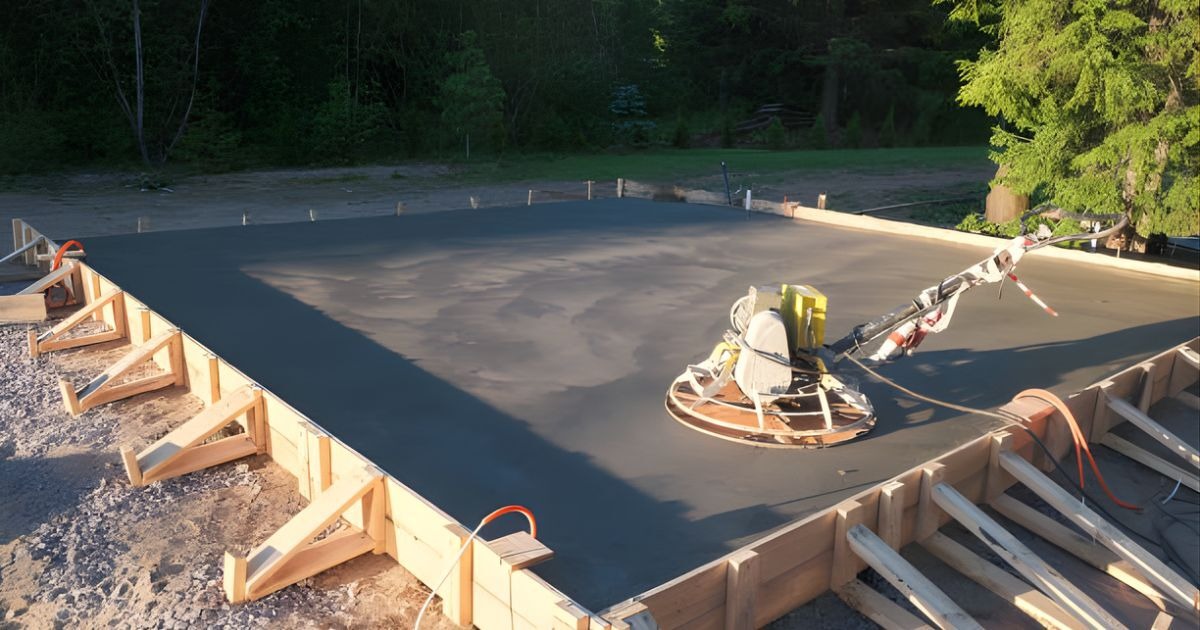
Proper ground preparation ensures the slab remains stable and crack resistant for decades. Poor preparation leads to uneven settling, water intrusion, and structural failure under load.
Contractors see failure most often in slabs poured over loose soil or organic material. Even a high quality 3000 PSI mix will fail if the base is unstable. Preparation controls movement before concrete is ever placed.
Start With a Site Evaluation Before Any Work Begins
A site evaluation identifies soil type, drainage patterns, and load requirements before excavation begins. Clay, sand, and fill dirt behave very differently under weight.
Clay expands and contracts with moisture, while sandy soil drains well but shifts under load. Builders must assess slope, water flow, and bearing capacity before choosing the right base approach.
Clear All Organic Material and Debris Completely
Removing organic material prevents decomposition that causes voids under the slab. Grass, roots, wood, and topsoil must be stripped down to stable subgrade.
Organic matter breaks down over time and leaves empty pockets beneath concrete. These voids lead to cracking and uneven settling within the first few years.
Excavate to the Correct Depth Based on Slab Type
Excavation depth must match the slab design and load requirements. Residential slabs typically require 4 to 6 inches of base, while heavy structures need deeper preparation.
For monolithic slabs with integrated footers, excavation must also account for footer depth. Footer trenches often extend below frost line depending on region and building type.
Grade the Soil for Proper Drainage
Grading ensures water flows away from the slab instead of pooling underneath it. A slight slope away from the structure prevents long term moisture issues.
Standing water under a slab weakens soil bearing capacity and causes erosion. Proper grading reduces hydrostatic pressure and minimizes cracking risks.
Compact the Subgrade Thoroughly
Compacting the soil creates a stable foundation that prevents future settlement. Mechanical compaction with plate compactors or rollers is required for consistent density.
Loose soil compresses over time under the weight of the slab and structure. Compaction eliminates air pockets and increases load bearing strength.
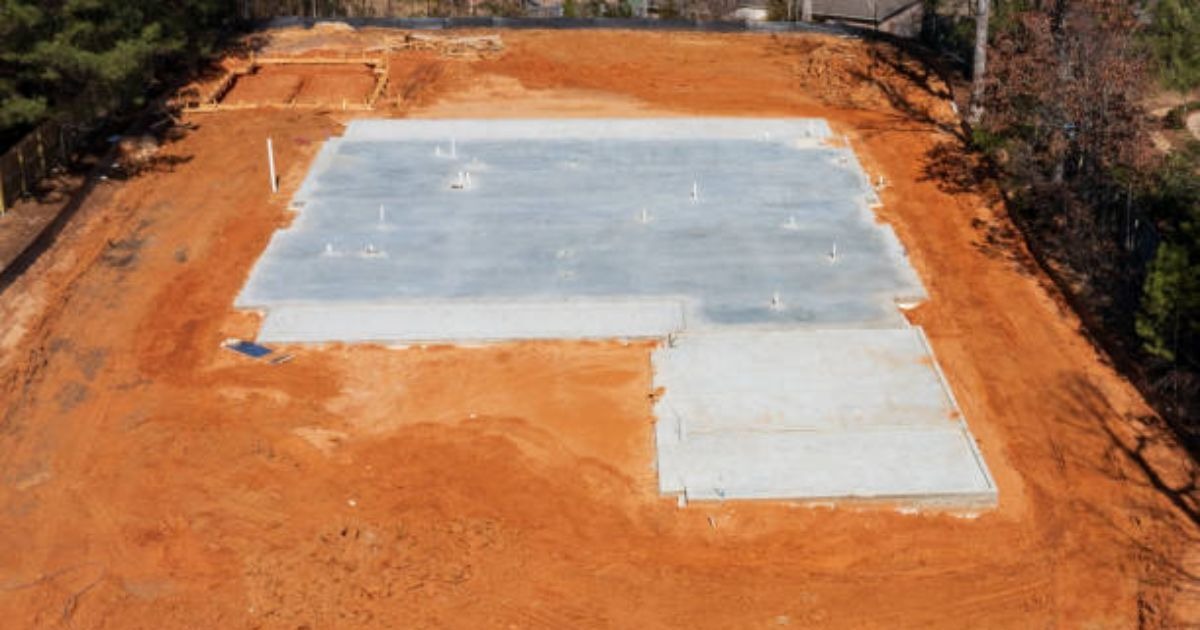
Test Soil Compaction Before Moving Forward
Soil compaction testing confirms that the base meets required density levels. Professional builders use methods like the Proctor test or field density tests.
Skipping this step leads to unpredictable settling. A properly compacted base should feel firm and show minimal indentation under heavy pressure.
Add a Layer of Gravel or Crushed Stone Base
A gravel base improves drainage and distributes load evenly across the slab. Typical base thickness ranges from 4 to 6 inches for residential slabs.
Crushed stone locks together better than round gravel and provides superior stability. This layer prevents water accumulation and supports long term performance.
Compact the Gravel Base in Multiple Passes
Compacting gravel in layers ensures a dense and uniform base. Each lift should be compacted separately to avoid weak zones.
Single pass compaction often leaves hidden voids. Multiple passes with proper moisture content create a solid, load bearing surface.
Install a Vapor Barrier for Moisture Control
A vapor barrier prevents moisture from migrating through the slab. Polyethylene sheeting is commonly used directly above the gravel layer.
Moisture intrusion causes flooring damage, mold growth, and weakening of concrete over time. A vapor barrier is standard for any enclosed structure.
Reinforce the Base With Proper Edge Forms
Edge forms define slab boundaries and maintain thickness during the pour. Forms must be level, straight, and securely anchored.
Improper forms lead to uneven slab thickness and weak edges. Strong formwork ensures consistent dimensions and structural integrity.
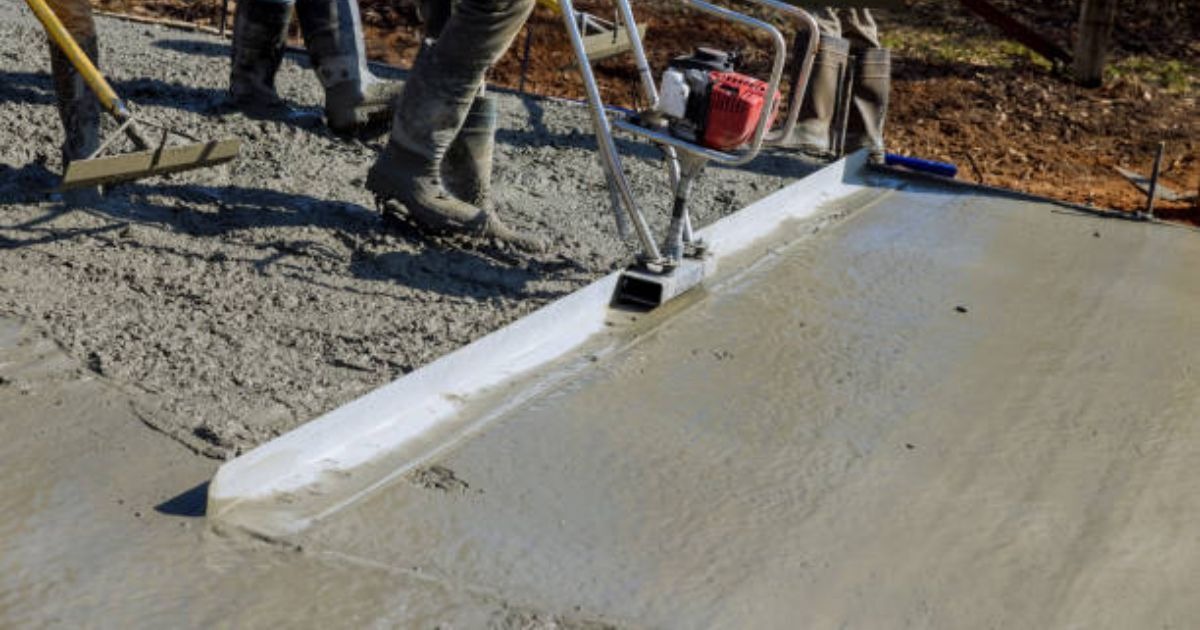
Plan for Integrated Footers in Monolithic Slabs
Monolithic slabs include footers poured at the same time as the slab. These footers provide additional support for load bearing walls.
Companies like Metal America use integrated footers that are typically 16 inches wide and 8 inches thick. This design increases strength and reduces construction time.
Install Reinforcement Such as Rebar or Wire Mesh
Reinforcement controls cracking and improves tensile strength. #3 rebar spaced 18 inches on center is a common standard for many slab applications.
Concrete is strong in compression but weak in tension. Reinforcement distributes stress and prevents cracks from spreading.
Check Level and Final Grade Before Pouring
Final grading ensures the surface is level and ready for concrete placement. Laser levels or string lines are used to verify accuracy.
Even small deviations can lead to drainage problems or uneven surfaces. Precision at this stage saves costly corrections later.
Account for Local Climate and Frost Conditions
Climate conditions affect how deep and how well the base must be prepared. Frost prone areas require deeper footers to prevent heaving.
In warmer regions, drainage becomes the primary concern. Soil expansion and contraction must always be considered in preparation.
Calculate Materials Accurately Before the Pour
Accurate material calculation prevents shortages and delays during the pour. Using a concrete calculator (https://www.metalamericaconcre...) helps determine volume, gravel needs, and reinforcement quantities.
Underestimating materials can lead to cold joints and weak spots. Overestimating increases costs unnecessarily.
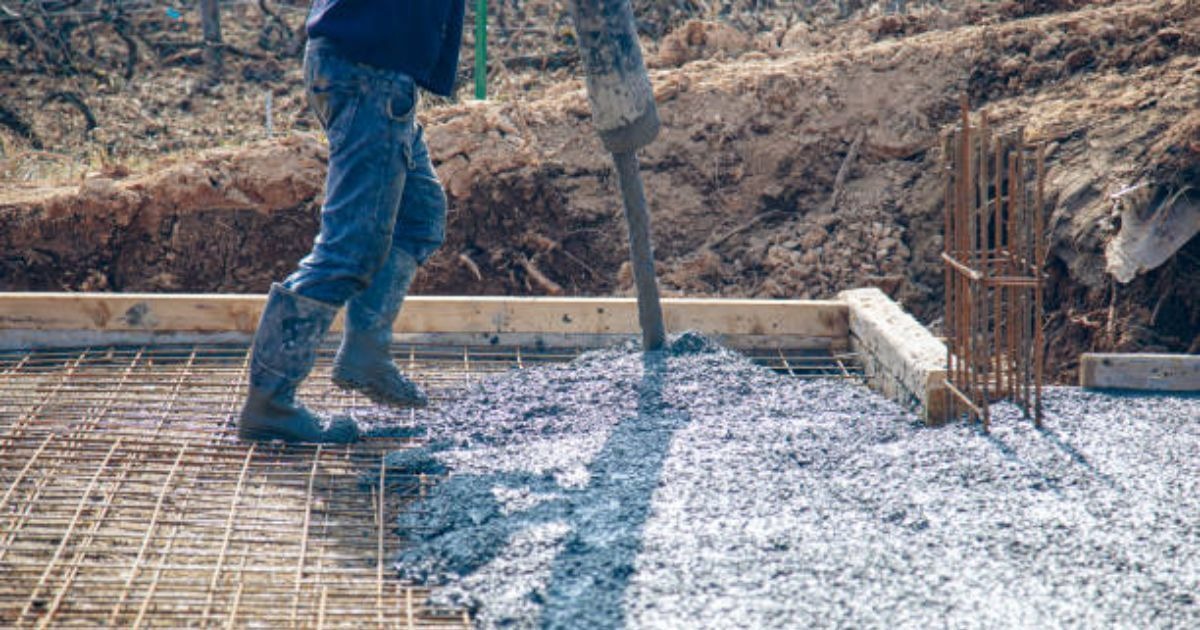
Schedule the Pour With Proper Weather Conditions
Weather conditions impact both preparation and curing. Dry, moderate temperatures are ideal for pouring concrete.
Rain can weaken the base and disrupt finishing. Extreme heat accelerates curing and increases cracking risk.
Understand the Full 28 Day Cure Timeline
Concrete reaches full strength after a 28 day curing period. Proper curing begins immediately after the pour and affects long term durability.
Premature loading or drying leads to surface cracking and reduced strength. Moist curing methods improve overall performance.
Common Ground Preparation Mistakes to Avoid
Avoiding mistakes ensures the slab performs as intended. The most common issues come from rushed or skipped steps.
Skipping compaction
Using poor quality fill material
Ignoring drainage
Pouring over organic soil
Failing to install a vapor barrier
Each of these mistakes leads to premature failure and expensive repairs.
When to Hire a Professional Contractor
Hiring a professional ensures proper preparation and compliance with building standards. Large slabs and structural foundations require experienced crews.
Professionals understand soil behavior, reinforcement placement, and local code requirements. This expertise prevents costly errors and ensures long term performance.
FAQ About Preparing Ground Before Pouring a Concrete Slab
Q. How deep should I prepare the ground for a concrete slab.
A. Most residential slabs require 4 to 6 inches of compacted gravel base plus excavation for slab thickness. Heavier structures need deeper bases and integrated footers. Soil type also affects required depth.
Q. Do I really need a gravel base under concrete.
A. A gravel base improves drainage and prevents soil movement under the slab. Skipping it increases the risk of cracking and settling. It is standard practice for durable slabs.
Q. What happens if I skip soil compaction.
A. Skipping compaction leads to uneven settling as the soil compresses under weight. This causes cracks and structural issues within a short time. Proper compaction is non negotiable.
Q. Is a vapor barrier necessary for all slabs.
A. A vapor barrier is required for enclosed spaces and recommended for most slabs. It prevents moisture from rising through the concrete. This protects flooring and indoor air quality.
Q. How long should I wait before using the slab.
A. Light foot traffic is usually safe after 24 to 48 hours. Full strength is reached at 28 days. Heavy loads should wait until curing is complete.
Q. Can I prepare the ground myself or should I hire a contractor.
A. Small projects can be handled with proper tools and knowledge. Large slabs or structural foundations should be done by professionals. Mistakes in preparation are expensive to fix later.
Q. What is the biggest mistake in slab preparation.
A. The biggest mistake is pouring over poorly prepared or uncompacted soil. This leads to failure regardless of concrete quality. A strong slab always starts with a stable base.